

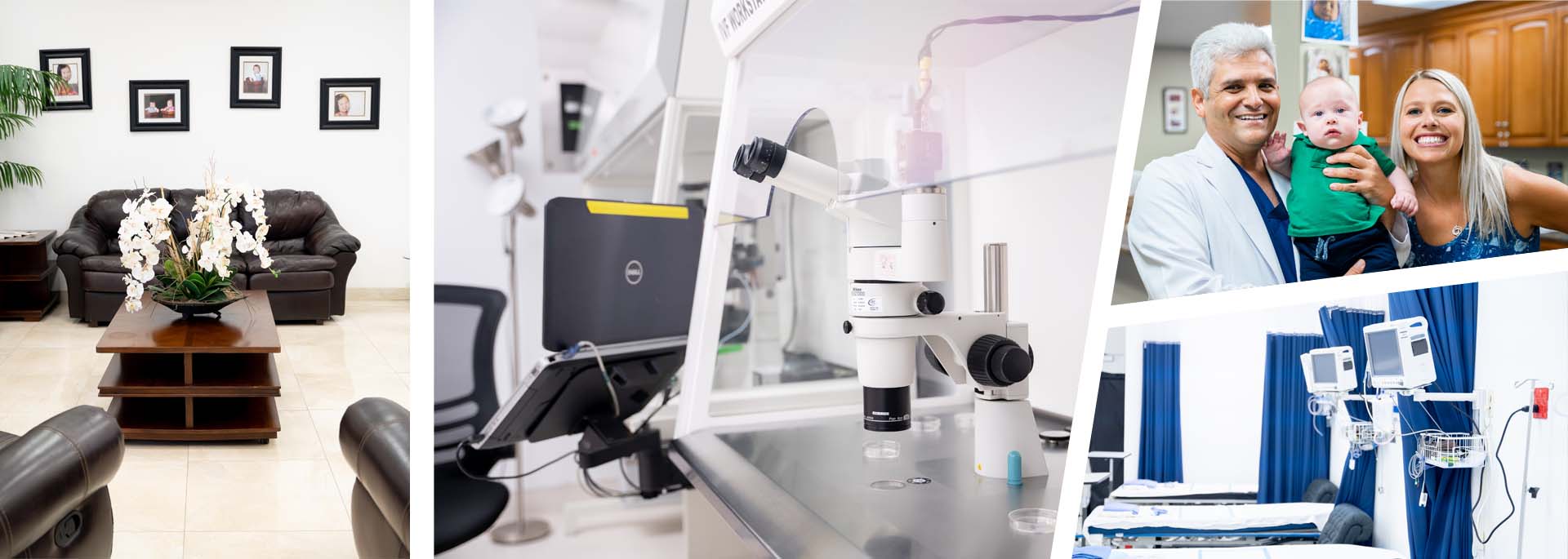
Elective Single Embryo Transfer (eSET) Fresh & Frozen at American Reproductive Centers (ARC)
One embryo. One healthy pregnancy. Your safest path to parenthood.
American Reproductive Centers provides elective single embryo transfer (eSET) as part of our in vitro fertilization (IVF) services. This approach is designed for patients who want to achieve a healthy pregnancy while reducing medical risks associated with multiple embryo transfers.
The clinic offers both:
- Fresh eSET, where one embryo is transferred 3 to 5 days after egg retrieval
- Frozen eSET, where embryos are cryopreserved and transferred in a later cycle
Each cycle includes careful embryo evaluation, fertility specialist oversight, and personalized treatment planning to select the embryo with the highest chance of success.
What Is Elective Single Embryo Transfer?
Elective single embryo transfer is the voluntary choice to transfer one high-quality embryo when you have multiple viable embryos available. The word “elective” is important. It means you have options, and you’re choosing the safest path.
For decades, fertility clinics transferred 2-3 embryos per cycle to maximize pregnancy rates. The unintended consequence? A 25-30% chance of twins or higher-order multiples, which carry serious health risks for both mother and babies.
Today, modern embryo selection technology has changed everything. Advanced grading systems, extended embryo culture to the blastocyst stage, and preimplantation genetic testing (PGT-A) allow us to identify the single best embryo with remarkable accuracy. eSET delivers success rates comparable to transferring multiple embryos, without the dangerous complications of a multiple pregnancy.
The problem with multiple embryo transfer is clear: 25-30% twin rate, increased risk of preterm birth, low birth weight, NICU admission, preeclampsia, and long-term developmental challenges.
The solution is equally clear: eSET nearly eliminates multiple pregnancy risk while preserving high live birth rates.
Why ARC Recommends eSET
At American Reproductive Centers, our philosophy is straightforward: one healthy baby is the safest and best outcome. We don’t chase high pregnancy rates at the expense of your health and safety. We follow ASRM guidelines because the evidence is overwhelming. eSET reduces risk without sacrificing success.
- Safety-First Approach. We prioritize maternal and infant health above all else. Multiple pregnancies are high-risk pregnancies. We won’t expose you to preventable complications when a safer option exists.
- Advanced Lab Technology. Our state-of-the-art embryology lab uses expert grading protocols and extended culture techniques to identify the highest-quality embryos. We can predict which single embryo has the best chance of implanting and developing into a healthy pregnancy.
- PGT-A Integration. Preimplantation genetic testing identifies chromosomally normal (euploid) embryos. Transferring a euploid embryo dramatically improves implantation rates and reduces miscarriage risk, making eSET even more effective.
- Personalized Protocols. We tailor the fresh vs. frozen decision to your unique medical profile. Your age, ovarian reserve, hormone response, uterine receptivity, and personal goals all factor into our recommendation.
Learn more about Embryo Transfers:
The eSET Process at ARC: Step-by-Step
Step 1: Consultation & Evaluation
You’ll meet with Dr. Abdallah or a member of our team to review your medical history, fertility testing results, and any prior IVF cycles. We’ll discuss whether fresh or frozen transfer is best for you and set clear, realistic expectations about your chances of success.
Step 2: IVF Stimulation & Egg Retrieval
You’ll undergo ovarian stimulation using injectable fertility medications. We’ll monitor your response closely with ultrasounds and bloodwork. When your follicles are mature, we’ll perform egg retrieval, a minimally invasive procedure done under sedation. Your eggs are then fertilized with sperm in our lab.
Step 3: Embryo Development & Selection
Embryos are cultured to the blastocyst stage, typically on day 5 or 6 after fertilization. Our expert embryologists grade each embryo based on cell structure, development speed, and overall morphology.
If you choose PGT-A testing, we’ll biopsy a few cells from each embryo and send them to a genetics lab. Results confirm which embryos are chromosomally normal (euploid).
We select the single best embryo for transfer. Any remaining high-quality embryos are cryopreserved for future use.
Step 4: Embryo Transfer
- Fresh Transfer: Performed 3-5 days after egg retrieval. The embryo is loaded into a thin catheter and placed in your uterus under ultrasound guidance.
- Frozen Transfer: Your uterine lining is prepared with hormone therapy (estrogen and progesterone). The frozen embryo is thawed and transferred at the optimal time for implantation.
The transfer itself is quick and painless, similar to a pap smear. Most patients return to normal activity the same day.
Step 5: Pregnancy Testing & Monitoring
You’ll have a blood pregnancy test 9-10 days after transfer. If positive, we’ll monitor your hCG levels with serial blood tests and perform an early ultrasound to confirm a healthy pregnancy.
If the test is negative, we’ll schedule a follow-up consultation to discuss next steps and review any remaining frozen embryos.
Why Patients Choose eSET
For You
- Dramatically lower risk of twins. With eSET, your chance of twins drops to less than 2%, compared to 25-30% with double embryo transfer.
- Safer pregnancy. Avoid the elevated risks of preeclampsia, gestational diabetes, preterm labor, and cesarean delivery that come with carrying multiples.
- Lower financial burden. High-risk pregnancies require more monitoring, more medical intervention, and often result in expensive NICU stays. A singleton pregnancy avoids these costs.
- Faster postpartum recovery. Delivering one full-term baby means easier physical recovery and less stress during the newborn period.
For Your Baby
- Lower risk of premature birth. Twin pregnancies frequently end before 37 weeks. Full-term delivery means healthier lungs, stronger immune systems, and better developmental outcomes.
- Healthier birth weight. Singleton babies are less likely to be born underweight, which reduces the risk of feeding problems, temperature regulation issues, and long-term growth delays.
- Better long-term outcomes. Full-term singleton babies have significantly lower rates of cerebral palsy, respiratory distress syndrome, and learning disabilities.
For Your Family
- Remaining embryos preserved for future siblings. Any additional high-quality embryos are cryopreserved, giving you the option to expand your family later without repeating ovarian stimulation and egg retrieval.
- Peace of mind. You’ll know you followed the evidence-based approach recommended by the American Society for Reproductive Medicine (ASRM) and prioritized the safest outcome for your family.
Fresh vs. Frozen Embryo Transfer
What is Fresh eSET?
Fresh eSET means transferring your embryo 3-5 days after egg retrieval, as soon as the embryo reaches the blastocyst stage. This approach works best for patients with normal hormone levels after stimulation, no risk of ovarian hyperstimulation syndrome (OHSS), and excellent embryo quality.
What is Frozen eSET (FET)?
With frozen eSET, all embryos are cryopreserved immediately after development using a flash-freezing technique called vitrification. The embryo is then transferred in a separate cycle after your body has fully recovered. Frozen transfer is ideal for patients who want PGT-A testing, those at risk for OHSS, or anyone who needs time to optimize their uterine environment.
The Science Behind Frozen Transfer
Recent studies show that frozen embryo transfer may produce slightly higher live birth rates in certain patient populations. Why? Frozen transfer allows your hormone levels to normalize completely after ovarian stimulation. It also gives your uterine lining time to recover and become optimally receptive. When you combine frozen transfer with PGT-A testing, you get the highest possible success rate per transfer.
Are You a Candidate for eSET?
You may be an excellent candidate for eSET if you:
- Are under 38 years old
- Have multiple high-quality blastocysts available
- Are you transferring a PGT-A tested euploid embryo (at any age)
- Are you using donor eggs
- Have good ovarian reserve
- Have a receptive uterine environment
- Want to avoid the serious risks of a multiple pregnancy
- Have had a prior successful IVF cycle
Not sure if eSET is right for you? Our team will evaluate your specific situation and recommend the safest, most effective approach based on your medical profile and fertility goals.
Learn more about Embryo Transfers:

Where Success is Measured in Heartbeats!
Our Locations:
1180 N Indian Canyon Dr. Suites 301/303, Palm Springs, CA 92262
1-760-346-4334
255 Terracina Blvd. – Suite 202, Redlands, CA 92373
1-760-346-4334
(An ARC affiliate)
330 S Magnolia Ave suite 201, El Cajon, CA 92020
1-619-768-1110