

Intrauterine Insemination (IUI) at American Reproductive Centers (ARC)
A simple, effective first step toward pregnancy.
American Reproductive Centers offers intrauterine insemination (IUI) as a medically guided fertility treatment designed to increase the chances of pregnancy in a simple, low-intervention way. Each cycle is carefully monitored by board-certified fertility specialists using ultrasound and hormone tracking to ensure precise timing and optimal conditions.
IUI is commonly used for patients with ovulation challenges, unexplained infertility, mild male factor infertility, and for LGBTQ+ couples or single parents using donor sperm. The procedure is quick, performed in-office without anesthesia, and provides an effective starting point for many fertility journeys.
What Is Intrauterine Insemination (IUI)?
Intrauterine Insemination (IUI) is a type of fertility treatment whereby many healthy sperm are placed directly into the uterus, allowing for easier travel to the fallopian tubes to fertilize the egg. Medications such as GONAL-F, Follistim or Clomid are commonly used to promote the development of numerous eggs. The success is higher with medicated cycles than with natural cycles.
BOARD-CERTIFIED AND EXPERIENCED REPRODUCTIVE ENDOCRINOLOGISTS ARE REQUIRED FOR THESE CYCLES TO LIMIT COMPLICATIONS.
The procedure is timed precisely with ovulation. Your cycle is monitored either naturally or with medication that stimulates egg development. When your body is ready to release an egg, the IUI is performed.
The entire office visit takes 10-20 minutes. The procedure itself lasts only a few minutes. Most patients describe it as painless or similar to a pap smear.
IUI can be helpful for:
- Couples experiencing infertility due to medical conditions (e.g., endometriosis or low sperm count or quality).
- Couples with unexplained infertility.
- Same-sex female couples using donor sperm.
- Single women wishing to start a family with donor sperm
How Intrauterine Insemination Is Performed at ARC
Step 1: Initial Consultation and Testing
Your treatment starts with a full evaluation. This includes bloodwork to measure ovarian reserve and hormone levels. We also check that at least one fallopian tube is open using a test called a hysterosalpingogram (HSG). IUI requires at least one open fallopian tube for sperm to reach the egg. For partners, we perform a semen analysis. These results help us determine whether IUI is suitable and whether a medicated or natural cycle is best.
Step 2: Cycle Monitoring
Natural Cycle IUI
If your cycles are regular, we track ovulation using home ovulation predictor kits and confirm timing with an ultrasound when needed. This low-intervention option is ideal for patients who ovulate consistently.
Medicated Cycle IUI
If cycles are irregular, oral medications like letrozole or Clomid gently stimulate the ovaries. Ultrasound and bloodwork track follicle growth so we can time the insemination accurately. Medication increases the number of eggs available for fertilization, which increases the chance of success.
Step 3: Trigger Shot
When follicles reach the right size, we may give an hCG trigger shot. This ensures the egg is released approximately 36 hours later, allowing us to schedule the IUI at the ideal time.
Step 4: Sperm Preparation
On the day of the procedure, the sperm sample is collected or thawed from donor storage. Our lab isolates motile sperm and prepares the final sample. This process typically takes one to two hours.
Step 5: The IUI Procedure
The IUI is simple. You’ll lie on an exam table. A speculum is placed to view the cervix. A soft catheter is used to place the prepared sperm directly into the uterus. This takes less than a minute. Most patients feel only slight cramping. You’ll rest briefly afterward and then resume normal activities.
Step 6: The Two-Week Wait
After the procedure, you wait about two weeks before a pregnancy test. Some patients take progesterone supplements to support the uterine lining. We schedule a blood test to confirm pregnancy with accurate hormone measurements.
IUI Success Rates and What Affects Them
Average Success Per Cycle
IUI success rates range from 10-20% per cycle, depending on age, diagnosis, and treatment type. Rates vary by age, ovulation timing, and sperm quality.
Younger women generally have higher success rates. Medicated cycles often perform better than natural cycles. While these numbers may seem modest for a single attempt, cumulative success over multiple cycles is significantly higher.
Cumulative Success Across Several Cycles
Most successful IUI pregnancies happen within the first three to four cycles. Repeating IUI across consecutive cycles increases the cumulative success rate far more than relying on a single attempt.
Many patients get pregnant with IUI, especially with the right timing and monitoring. You’re not doing this alone. We guide every step.
Factors That Improve Success
- Age under 35
- Healthy ovarian reserve (normal AMH and FSH levels)
- At least one open fallopian tube
- Strong post-wash sperm count above 5 million motile sperm
- Precise timing within 24-36 hours of ovulation
- Stimulated cycles with one or two mature follicles
When IUI Is Not Recommended
IUI has limited effectiveness when:
- Semen parameters are severely low
- Both fallopian tubes are blocked
- Severe endometriosis is present
- The patient is over 40 years old
- Ovarian reserve is significantly diminished
In these situations, IVF offers higher success rates and is usually the recommended first-line option.
IUI offers strong results for the right candidates, but it’s not effective for everyone. We’ll be honest about whether IUI is worth your time or if IVF is the better first step.
Risks and Side Effects
IUI is one of the safest fertility treatments available. Serious complications are extremely rare, bu here are some possible side effects:
- Mild cramping during or immediately after the procedure is common and typically resolves within an hour.
- Light spotting may occur, especially if your cervix is sensitive.
- Medication side effects (if using Clomid or letrozole) can include mood changes, bloating, hot flashes, and breast tenderness. These are temporary and resolve after you stop the medication.
- The multiple pregnancy risk is 5-10% if two or more follicles develop. We carefully monitor follicle development and may cancel the cycle if too many mature follicles are present.
- Infection is extremely rare, occurring in less than 1% of procedures.
Frequently Asked Questions About IUI
Is IUI painful?
No. Most patients describe mild cramping similar to a pap smear or menstrual cramps. The entire procedure takes 5-10 minutes, and you can return to normal activities immediately afterward. No anesthesia or pain medication is needed.
How many IUI cycles should I try before moving to IVF?
Most fertility specialists recommend 3-4 IUI cycles before moving to IVF. If pregnancy hasn’t occurred after 3-4 attempts with good timing and sperm quality, IVF typically offers better success rates. However, this recommendation is individualized based on your age, diagnosis, and ovarian reserve.
Do I need to take time off work for IUI?
No. The procedure itself takes 10-15 minutes, including rest time afterward. Most patients come in during a lunch break or before work and return to their normal schedule immediately. There are no activity restrictions after IUI.
Can IUI work if I have PCOS?
Yes. Many women with PCOS achieve pregnancy through IUI, especially when combined with ovulation-inducing medications like Clomid or letrozole. These medications help regulate your cycle and ensure predictable ovulation, which is critical for IUI success.
Do I need to rest after the procedure?
You’ll rest for 10-15 minutes in the office after the procedure, but extended bed rest is not necessary and does not improve success rates. You can resume normal activities, including work, exercise, and sexual intercourse.
How long should I wait between IUI cycles?
If the cycle is unsuccessful, you can typically try again in your next menstrual cycle. There’s no required waiting period between IUI attempts, though some patients choose to take a cycle off for emotional or scheduling reasons.
Why Choose ARC for IUI
Experienced Team
Our board-certified reproductive endocrinologists have decades of experience helping patients achieve pregnancy through IUI. We’ve refined our protocols to maximize success while minimizing risk and inconvenience.
Personalized Monitoring
We use precise ultrasound and hormone monitoring to track ovulation and ensure perfect timing. Every cycle is individualized to your body’s response.
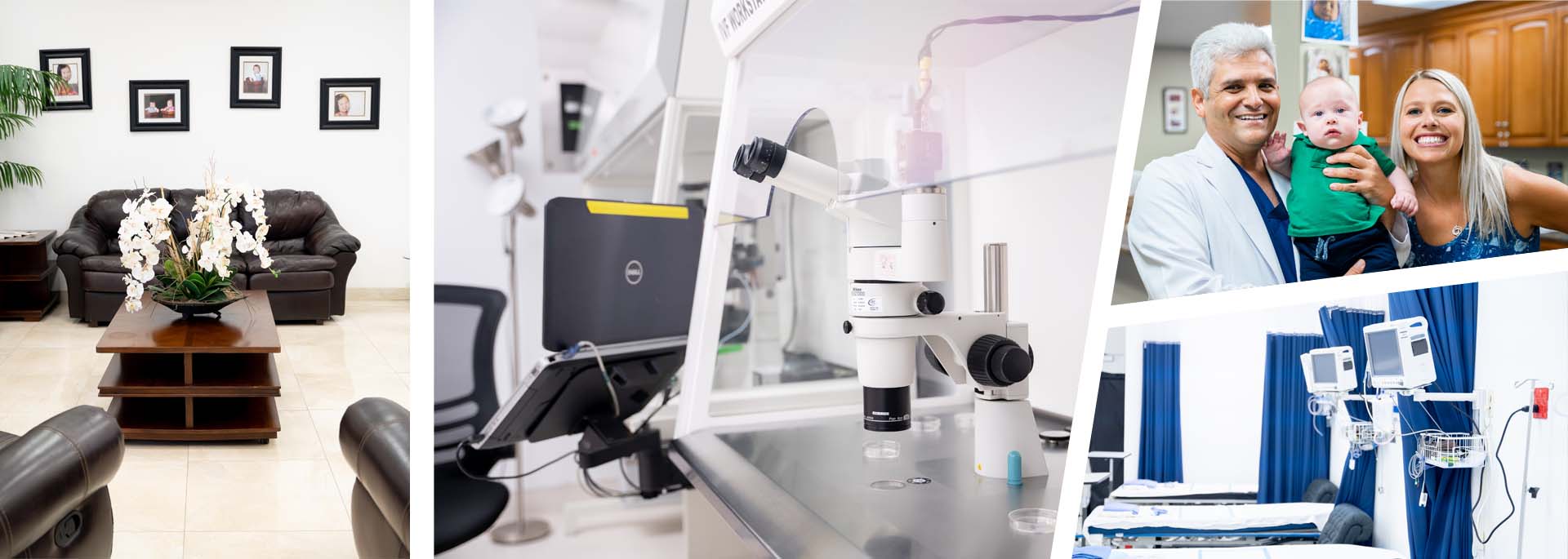
State-of-the-Art Laboratory
Our laboratory uses advanced sperm washing and preparation techniques to isolate the highest-quality sperm. We maintain strict quality control standards to ensure optimal results.
Compassionate Care
We understand the emotional roller coaster of fertility treatment. Our team supports you through every step, celebrating successes and providing guidance when adjustments are needed.
Flexible Options
Whether you prefer a natural cycle approach, need ovulation medication, or are using donor sperm, we tailor the treatment to your specific situation and preferences.
IUI can be helpful for:
- Couples experiencing infertility due to medical conditions (e.g., endometriosis or low sperm count or quality).
- Couples with unexplained infertility.
- Same-sex female couples using donor sperm.
- Single women wishing to start a family with donor sperm.
To learn more about Intrauterine Insemination, check out our FAQ.

Where Success is Measured in Heartbeats!
Our Locations:
1180 N Indian Canyon Dr. Suites 301/303, Palm Springs, CA 92262
1-760-346-4334
255 Terracina Blvd. – Suite 202, Redlands, CA 92373
1-760-346-4334
(An ARC affiliate)
330 S Magnolia Ave suite 201, El Cajon, CA 92020
1-619-768-1110